Creating a Relaxing Sleep Environment: Tips for a Restful Night's Sleep

Christian Flagg Published: February 11, 2025 5 mins read

Introduction


Do you ever wake up feeling groggy, even after a full nightโ€™s sleep? Your sleep environment might be the culprit. The quality of your sleep is influenced by many external factorsโ€”temperature, lighting, noise, and even the air quality in your bedroom.


Studies from the CDC and the National Sleep Foundation show that over 35% of adults donโ€™t get enough sleep, often due to poor sleep conditions. A well-designed sleep environment can drastically improve sleep quality, leading to better energy levels, focus, and overall well-being. In this guide, weโ€™ll explore proven strategies to transform your bedroom into a sanctuary for deep, uninterrupted rest.
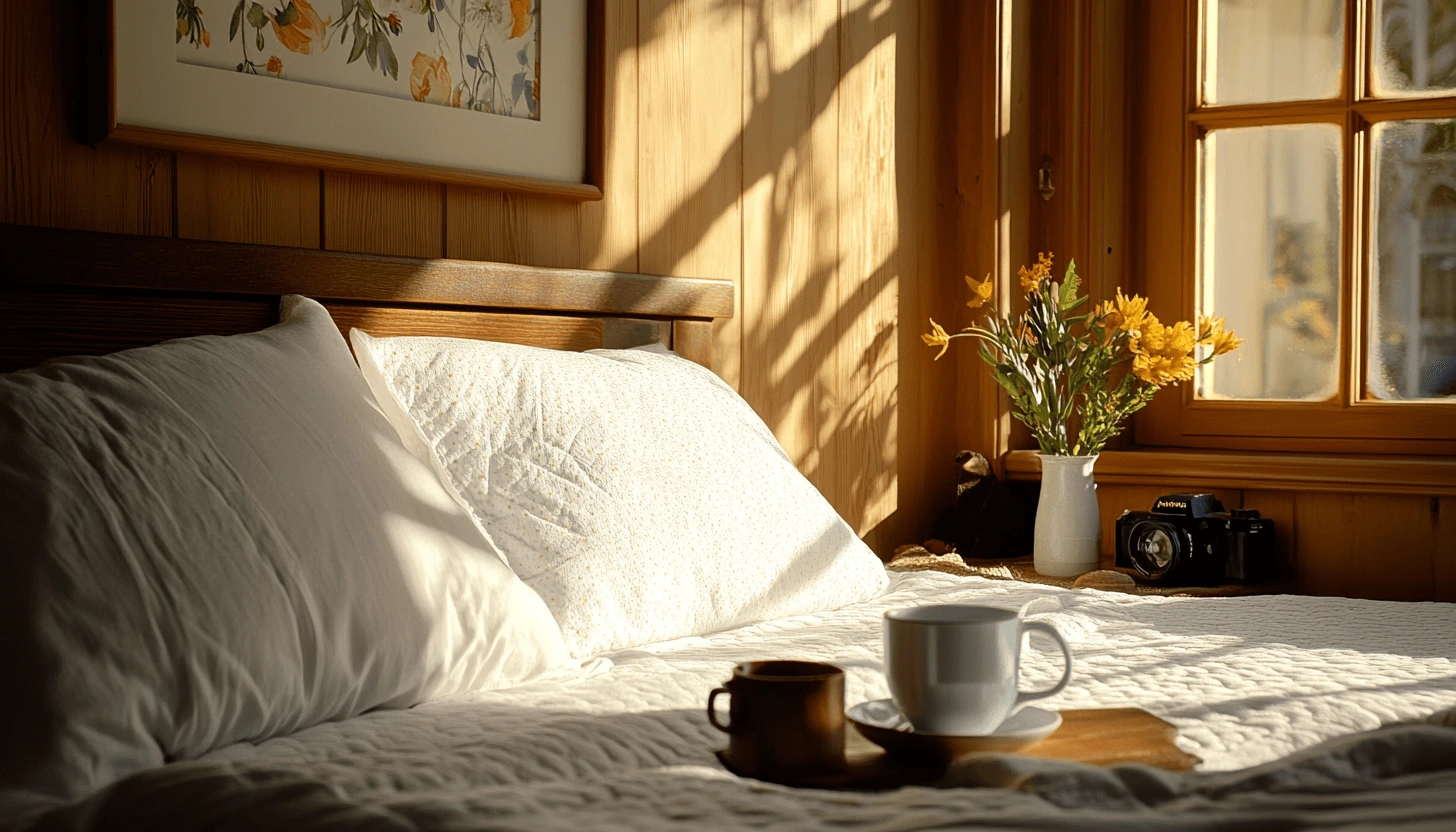
Cozy bedroom with white pillows, warm wooden decor, and morning sunlight streaming through a window, creating a peaceful sleep environment


1. The Science of Sleep & Why Environment Matters


Our bodies follow a natural circadian rhythm, which regulates sleep-wake cycles based on external cues such as light and temperature. Poor sleep environments disrupt these cycles, making it harder to fall and stay asleep.


A 2017 study published in the journal Sleep found that individuals sleeping in optimized environments, with controlled lighting and temperature, fell asleep 25% faster and experienced deeper, more restorative sleep cycles. Environmental factors like noise pollution, excessive light, and uncomfortable bedding can lead to fragmented sleep, reducing its effectiveness.


2. Temperature & Air Quality: The Invisible Sleep Boosters


Optimal Temperature for Sleep


The National Sleep Foundation recommends a bedroom temperature between 60-67ยฐF (15-19ยฐC) for optimal sleep. Lower temperatures help the body cool down, which is a natural signal that it’s time to rest.


Air Quality & Ventilation


  • Fresh air circulation can improve oxygen levels and prevent stuffiness.
  • Using air purifiers can remove allergens, dust, and pollutants.
  • If the air is too dry, a humidifier can prevent sinus irritation and dry skin.


Pro Tip: Houseplants like aloe vera and snake plants can naturally improve air quality and oxygen levels at night.


3. The Right Bedding: Comfort & Support for Deep Sleep


Mattress Matters


A quality mattress should support your spine and pressure points. The lifespan of a mattress is typically 7-10 yearsโ€”beyond that, it may lose its supportive structure.


Pillow Selection Based on Sleeping Position


  • Side sleepers: Firmer pillows to support neck alignment.
  • Back sleepers: Medium-loft pillows for gentle support.
  • Stomach sleepers: Softer, lower-loft pillows to prevent neck strain.


Breathable Bedding Materials


  • Cotton, linen, or bamboo sheets regulate temperature better than synthetic fabrics.
  • Weighted blankets can help reduce anxiety and improve relaxation.


4. Mastering Light Control: Darkness is Your Best Friend


How Light Affects Sleep


Exposure to blue light (from screens, LED lights, and devices) suppresses melatonin production, delaying sleep onset.


Best Practices for Light Control


  • Use blackout curtains to eliminate external light.
  • Reduce screen exposure 1 hour before bed.
  • Opt for warm, dimmable bedside lights.
  • Consider an eye mask if complete darkness isnโ€™t achievable.


Pro Tip: Use red or amber-hued nightlights if you need to get up at nightโ€”these have minimal impact on melatonin production.


5. Noise Management: Finding the Right Sound Balance


Why Noise Disrupts Sleep


Even low-level background noise can increase nighttime wakefulness and reduce REM sleep.


Solutions for a Quieter Sleep Environment


  • White noise machines create a consistent background sound that masks disruptions.
  • Earplugs provide an affordable and effective solution for noise reduction.
  • Nature sound apps (rain, waves, forest sounds) can enhance relaxation.


Pro Tip: If external noises are unpredictable, noise-canceling headphones with soft sleep bands may be a worthwhile investment.


6. Decluttering & Atmosphere: A Tidy Room for a Tidy Mind


The Psychological Impact of Clutter


Clutter can subconsciously increase stress and anxiety, making it harder to relax. Studies show that people sleep better in a clean, organized environment.


Tips for a Calming Bedroom Atmosphere


  • Keep surfaces clear and minimize distractions.
  • Store items out of sight using storage bins.
  • Use calming neutral colors (blues, greens, warm neutrals) for bedroom decor.
  • Add aromatherapy (lavender, chamomile, sandalwood) to promote relaxation.


7. The Perfect Wind-Down Routine: Preparing Your Body for Rest


The 90-Minute Wind-Down Rule


Start winding down 90 minutes before bedtime to signal your body that it’s time for sleep.


Best Pre-Bedtime Rituals


  • Journaling or reading (avoid screens).
  • Stretching or meditation to relax the nervous system.
  • Herbal teas (chamomile, valerian root) to promote relaxation.
  • Magnesium supplements to ease muscle tension and improve sleep quality.


8. Building a Sleep-Enhancing Lifestyle


Consistency is Key


  • Stick to a consistent sleep schedule (same bedtime and wake-up time daily).
  • Avoid excessive nappingโ€”limit naps to 20-30 minutes if needed.
  • Prioritize daily exercise, but avoid intense workouts right before bed.
  • Eat a balanced diet that avoids heavy meals or caffeine before bedtime.


Tracking Your Sleep


  • Sleep-tracking apps and wearables can provide insights into your sleep patterns.
  • Look for trends in wake-up times, restlessness, and deep sleep cycles.


Conclusion & Action Plan


A high-quality sleep environment isnโ€™t just about comfortโ€”itโ€™s about creating conditions that align with your bodyโ€™s natural rhythms. By optimizing these key factors, you set yourself up for truly restorative sleep:


  • Temperature: Maintain a cool 60-67ยฐF.
  • Air Quality: Improve ventilation and use purifiers if needed.
  • Bedding: Invest in breathable sheets and a supportive mattress.
  • Lighting: Reduce blue light exposure and use blackout curtains.
  • Noise: Utilize white noise machines or earplugs.
  • Pre-Sleep Routine: Wind down with relaxation techniques and avoid screens before bed.


Quick Sleep Optimization Checklist:


โœ… Set your bedroom temperature between 60-67ยฐF.

โœ… Use blackout curtains and avoid screens before bed.

โœ… Invest in a quality mattress, breathable sheets, and proper pillows.

โœ… Use white noise machines or earplugs to block noise.

โœ… Keep your bedroom decluttered and calming.

โœ… Follow a consistent bedtime routine.


By making just one of these adjustments today, you can start experiencing deeper, more restful sleep tonight!

Related Articles

This will close in 20 seconds